How Fortress Fence Company Austin Delivers Quality Craftsmanship
Expert Fence Installation Solutions: Long-Lasting & Attractive Choices
Skilled fence installation companies deliver an array of sturdy and elegant solutions to meet diverse needs. Specializing in materials such as vinyl, wood, and chain link, these professionals ensure lasting functionality alongside aesthetic appeal. Their familiarity with local requirements and superior materials creates a strong perimeter that increases property worth. That said, determining the appropriate style and material can prove difficult, generating key questions regarding the ideal choice for specific properties.
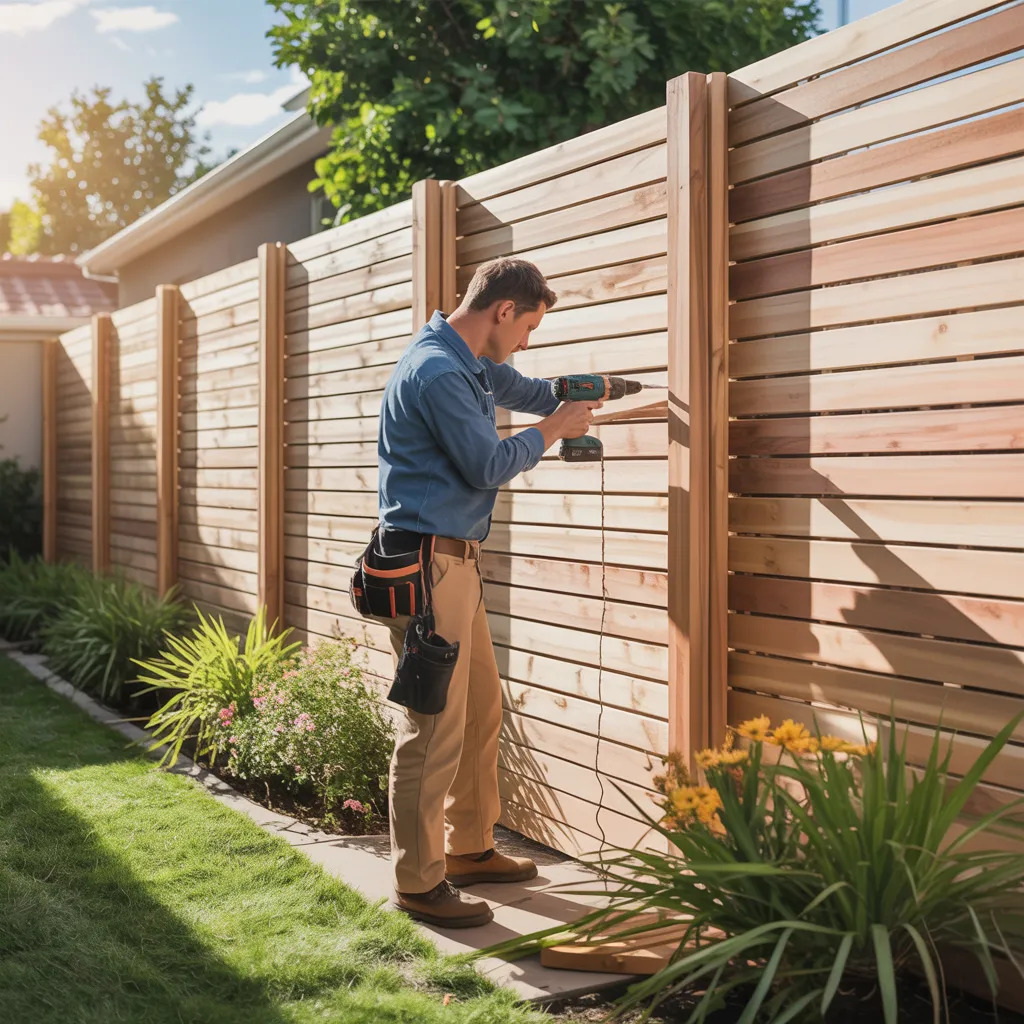
Major Benefits of Choosing Professional Fence Installers
The experience that professional fence installers bring delivers a notable advantage to homeowners in search of quality and reliability. Such professionals carry the expertise and hands-on experience needed to confirm that fences are erected correctly and with precision. By enlisting professionals, homeowners can sidestep frequent mistakes, including poor alignment or insufficient support, which may result in expensive repairs down the road.
Furthermore, professional installers have expertise in regional regulations and permitting requirements, streamlining the process for homeowners. Having access to specialized equipment and materials also ensures a higher caliber of work. In addition, working with professionals can conserve time; whereas a DIY method may result in prolonged project durations, skilled specialists can accomplish installations swiftly and thoroughly.
Ultimately, investing in professional fence installation enhances the durability and aesthetic appeal of the property, providing homeowners with peace of mind and confidence in their investment.
How to Select the Ideal Fence Material for Your Requirements
Selecting the most suitable fence material can be challenging, especially with the wide variety of options to choose from. Homeowners should first evaluate their main requirements—whether for aesthetics, privacy, or security. Wood, for instance, delivers a traditional aesthetic and can be personalized effortlessly, but demands routine care. Vinyl fencing delivers resilience and easy care, making it perfect for those prioritizing long-term durability.
A chain link fence is an affordable option, offering visibility and security, but does not provide much privacy. Metal alternatives like aluminum and wrought iron merge strength and sophistication, making them excellent for decorative use.
In addition, environmental conditions play an essential role; locations vulnerable to moisture may demand materials resilient to rot or rust. Budget also plays a role, as various materials may require larger initial expenditures but offer lower long-term maintenance costs. At the end of the day, assessing individual preferences and functional needs will assist homeowners in identifying the ideal fence material for their property.
Which Fencing Style Is the Right Choice for Your Property?
What factors influence the selection of fencing style for a property? Several elements play an essential role in this choice, including the home's architectural style, landscaping layout, and desired function. Homeowners may opt for a classic picket fence to enhance a traditional home's charm or a sleek horizontal layout for modern visual appeal.
In addition, privacy and security needs significantly influence style selection. To illustrate, high, solid panel fencing offer privacy, while wrought iron alternatives combine security with visibility. Local rules and neighborhood preferences further shape selections, as some communities may have guidelines regarding fence height and materials.
Lastly, the climate influences lifespan and care; resilient materials including vinyl or metal may be more suitable in challenging weather environments. Considering these elements helps property owners to identify a fence design that not only enhances their property but also satisfies their practical needs.
Measuring Your Space: Essential Steps Before Choosing a Fence Style
Prior to choosing a fence design, it is vital for homeowners to carefully measure their property, as exact measurements can significantly impact both appearance and practicality. The primary step involves determining the perimeter of the area where the fence will be installed. This requires recording the length and width, considering any variations in the terrain, such as inclines or bends.
Additionally, property owners should note the placement of trees, existing structures, and utility lines that may impact the installation. It is strongly suggested to document these details on a straightforward drawing for reference. Familiarizing yourself with local regulations and property boundaries is also important, as local rules can dictate fence height and placement.
Finally, considering the primary goal of the fence—whether for privacy, decoration, or boundary marking—will guide homeowners in selecting the most fitting option. Precise measurements ensure a successful installation that meets both aesthetic desires and practical needs.
Enhancing Property Security With Fencing
Fencing fulfills a critical role in improving property protection through diverse materials and design options. Aspects such as height and style heavily affect a fence's capability of discouraging intruders. Additionally, expert installation ensures that these elements are optimized for optimal protection.
Types Of Fence Materials
A carefully selected fencing material can substantially boost the security of a property while enhancing visual appeal. Various materials offer unique advantages designed to meet varying requirements. Chain-link barriers deliver clear sightlines and resilience, rendering them an affordable choice for security. Timber fences, despite needing upkeep, provide a timeless look and can discourage trespassers with their elevated stature. Vinyl fence options offers an easy-care solution that resists weathering and fading, providing both protection and elegance. For maximum strength, iron and aluminum fencing are outstanding options, pairing strong protection with refined aesthetics. Additionally, composite fencing options blend durability with attractive finishes, attracting property owners seeking a modern look. Every material's distinct features contribute to reliable home security while enhancing overall curb appeal.
Height And Design Considerations
How do the height and design of a fence play a major role in property security? A carefully chosen fence height can discourage potential intruders; as a rule, heights going beyond six feet form a considerable barrier. Additionally, the design plays a vital role; solid panels offer privacy and block visibility, making it more difficult for outsiders to evaluate the property. Conversely, fences with sharp spikes or pointed tops can further discourage trespassing.
Moreover, adding elements like lattice panels or trellises can improve visual appeal while maintaining security. It is important to strike a balance between aesthetics and security, as a visually appealing design can explore now complement the property while serving its intended purpose. When all is considered, the ideal blend of structural height and aesthetic design can considerably elevate the general safety of a property.
Expert Installation Benefits
Even though many homeowners might contemplate handling fence installation themselves, choosing professional installation provides many benefits, most notably in terms of strengthening security. Skilled professionals offer the experience necessary to make certain fences are designed to endure environmental factors and reliably ward off potential intruders. They examine the distinctive characteristics of the property, proposing materials and designs that simultaneously elevate visual appeal and reinforce security. Proper installation minimizes gaps and weak points, reducing vulnerabilities that could be exploited. Moreover, professionals have a thorough understanding of local ordinances and zoning laws, securing compliance and helping to avoid unnecessary fines. By delegating the installation to skilled professionals, property owners are able to attain a sturdy, reliable fence that enhances value and offers reassurance, enabling them to direct their attention to other critical elements of property management.
Essential Maintenance Tips for Your Fence
Maintaining a fence calls for periodic upkeep to secure its durability and visual appearance. To guarantee the best results, it is critical to examine the fence periodically for any evidence of deterioration, such as rust, cracks, or weakened boards. Treating the fence with a gentle cleaning solution and water can remove dirt and prevent mold growth, which is particularly crucial for timber fences. Additionally, applying a protective sealant or paint will guard the fence against environmental factors and increase its durability.
Trimming back surrounding vegetation additionally decreases the potential for moisture retention and pest infestations. With metal fences, regular checks for rust should be performed, handling any compromised areas in a timely manner. Finally, maintaining appropriate drainage around the fence can guard against water damage and soil erosion, contributing to the overall stability and appearance of the fence. By following these simple maintenance tips, homeowners can maintain their fence in excellent condition for years to come.
Breaking Down Fence Project Costs
Grasping the costs related to a fencing project includes multiple key factors. The choice of materials considerably impacts general expenses, while labor costs can fluctuate according to the scope of the project. Furthermore, the intricacy of the installation process serves a critical function in calculating the overall cost.
Impact of Material Selection
Choosing the appropriate materials for a fence heavily affects the overall project costs. Numerous options, such as wood, vinyl, aluminum, and chain link, come with distinct pricing and care demands. As an example, while wood might be less expensive upfront, it often requires consistent care, potentially increasing overall costs over time. In contrast, vinyl and aluminum deliver durability and low maintenance but usually come with higher upfront costs. The decision of materials also impacts how complex the installation process is, which can further impact overall costs. Moreover, personal style choices may shape the choice of materials; stylish options often come at a premium. Ultimately, recognizing the connection between the materials selected and overall expenses is essential for homeowners aiming to achieve harmony between their budget and their desired look in their fence installations.
Workforce Expenses Breakdown
Labor costs play an essential role in establishing the full expenses of a fence construction project. These expenses encompass several key factors, including the hourly rates of the contractors involved and the projected time needed to complete the work. Generally, experienced laborers command higher fees due to their experience and expertise. Moreover, the dimensions and scope of the project can greatly impact labor costs; more complex or expansive installations require additional manpower and time. Frequently, homeowners may also face additional costs for necessary permits or inspections, which are necessary for compliance with local regulations. Comprehending these labor expenditures gives a more accurate view of the total budget and enables more effective financial planning when planning a fence installation project.
Factors Affecting Installation Complexity
When evaluating the costs associated with a fencing installation project, several complexity factors must be considered. The materials chosen heavily affects costs; for instance, wood is often more affordable than vinyl or wrought iron but needs more consistent care. The conditions of the site also factor in; uneven terrain or existing structures can complicate installation, raising the cost of labor. Furthermore, local building codes and permits may extend the timeline and increase costs. The fence design and height factor into the complexity; elaborate designs typically demand greater labor and skill. Lastly, the choice between DIY or professional installation significantly influences the total cost, as professional workmanship ensures durability and quality. Recognizing these elements assists in providing an accurate estimate of project expenditures.
How Expert Installers Increase Your Fence's Value
Choosing professional fence installation considerably enhances a property's appeal. Professional installers offer skills that confirm fences are designed to endure, improving both strength and visual appeal. Their knowledge of local regulations and building codes assures compliance, reducing potential legal issues and associated costs for homeowners.
Additionally, professional installers can recommend premium materials that suit the homeowner's vision while maximizing durability and upkeep requirements. The artistry demonstrated by a expertly installed fence not only boosts curb appeal but also establishes a greater sense of unity with the adjacent outdoor space.
Furthermore, a expertly crafted fence can deliver additional protection and seclusion, qualities that prospective buyers frequently value. By selecting expert services, homeowners can have peace of mind that their property investment will produce a higher profit when it comes to selling the property. At the end of the day, professional installation elevates a ordinary fence into a worthwhile investment that enhances the overall property experience.
Questions We Often Receive
How Long Does a Typical Fence Installation Take?
Most fence installations take one to three days, based on factors such as the fence type, terrain, and weather conditions. Proper planning and preparation can streamline the process, guaranteeing on-time completion and excellent results.
What Permits Are Needed for Installing a Fence?
Typically, putting up a fence requires permits at the local level, which can include zoning clearances and construction permits. Property owners should verify with local authorities to verify full compliance, as regulations vary by location and type of fence being installed.
Can I Expect Any Yard Damage During Installation?
Throughout the installation process, yard damage can occur, especially due to heavy machinery or excavation. That said, skilled professionals frequently implement measures to reduce disturbance, making certain the yard stays undisturbed where feasible, leaving homeowners satisfied with the final result.
Is It Possible to Install a Fence During the Winter Months?
Absolutely, a fence is able to be erected during the winter season. Nevertheless, the ground can become frozen, complicating the installation process. Proper planning and techniques are essential to maintain stability and effectiveness in cold weather conditions.
What Occurs if My Fence Becomes Damaged After Installation?
When a fence becomes damaged at a later stage, it may require repairs or replacement, based on how severe the damage is. Regular maintenance can prolong its lifespan, while lack of attention could result in further problems and expenses.